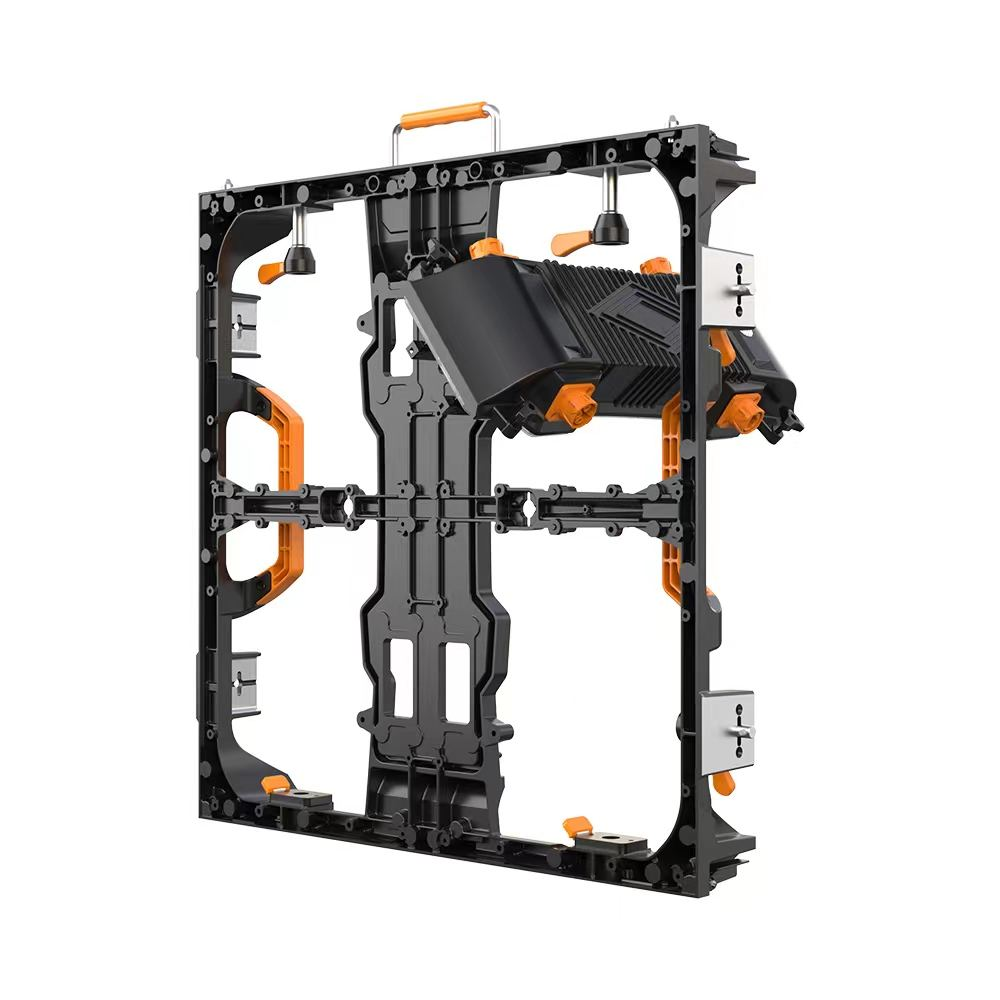
A rental LED display quote can look complete while leaving out the items that decide whether the system works on show day. Cabinet count, pixel pitch, and price are only the beginning. Event-production buyers also need compatible cabinet sizes, rigging hardware, power and data distribution, spares, flight cases, processor capacity, outdoor limitations, documentation, and after-sales support. A structured RFQ makes competing offers easier to compare and reduces costly additions after approval.
Describe the shows before naming the product
Start with the work the inventory must perform. List typical and maximum wall dimensions, indoor and outdoor use, viewing distance, touring frequency, expected rigging method, crew size, transport constraints, and common signal formats. If the system will build curved, corner, floor, or flown configurations, state that clearly. A cabinet optimized for one flat wall may not support every creative layout.
Specify cabinet sizes as one system
Many rental inventories combine 500 × 500 mm and 500 × 1000 mm cabinets to build faster and handle different wall dimensions. Do not assume that two sizes from the same brochure are fully interchangeable. Ask whether they share the same pixel pitch, module size, color calibration, power/data architecture, vertical and horizontal locks, hanging beams, ground-stack hardware, and spare parts.
Examples include the KSS500c6 500 × 500 rental cabinet and KSS1000c6 500 × 1000 rental cabinet. A project-specific quotation should confirm exactly which hardware can be mixed in the intended build.
Use an RFQ schedule that exposes omissions
On smaller screens, swipe horizontally to view all columns.
| RFQ section | Minimum information to request |
|---|---|
| LED cabinets | Model, pitch, size, weight, brightness range, service method, quantity |
| Rigging | Hanging beams, stacking frames, locks, allowable configurations, documentation |
| Power | Input range, maximum/typical load, distribution boxes, cables, connector type and length |
| Data | Processor, sending hardware, receiving cards, fiber/copper links, backup path |
| Transport | Cabinets per case, loaded case size and weight, accessories cases |
| Spares | Modules, power supplies, receiving cards, hub boards, cables, tools |
| Services | Training, commissioning, remote support, warranty handling, repair route |
Define rigging boundaries
The LED cabinet is only one part of a flown or ground-supported system. The production’s qualified rigging professionals must design and approve the complete arrangement for the venue and conditions. Ask the supplier for the cabinet and beam documentation needed by that team, including allowable configurations and inspection guidance.
For outdoor temporary structures, ESTA publishes ANSI E1.21, and its published-standards library also lists standards addressing powered entertainment hoists. The applicable rules depend on the event, jurisdiction, structure, and equipment. Treat the RFQ as a way to collect engineering inputs, not as a replacement for a competent event and rigging plan.
Quote power and data as complete paths
A processor line item does not guarantee a complete signal system. State the required inputs, maximum canvas, number of independent screens, scaling needs, redundancy strategy, and expected cable distances. Ask the supplier to show the path from source to processor, sending hardware, distribution, receiving cards, and cabinets.
For power, request both typical and maximum figures, circuit assumptions, distribution equipment, and cable quantities. Different venues have different electrical systems, so connector choices and distribution plans must be coordinated with local qualified electricians.
Build a spare strategy around turnaround time
There is no universal spare percentage. A local inventory with next-day parts support faces a different risk from a touring system that must open nightly in multiple countries. Ask which failures can be corrected at module level and which require a cabinet swap. Identify shared spares across cabinet sizes and include enough test cables and replacement consumables to keep troubleshooting practical.
- Agree on spare quantities by component, not only a percentage.
- Request calibration data or a defined method for integrating replacement modules.
- Confirm whether cases include dedicated locations for spares and tools.
- Define the supplier’s repair turnaround and the buyer’s diagnostic responsibilities.
- Order a small amount of additional matching material for later expansion or damage.
Treat cases and packing as production equipment
Flight cases affect truck packs, dock labor, and cabinet damage. Request the loaded dimensions and weight of every case, the number of cabinets per case, wheel and brake details, stacking limitations, fork access where relevant, and internal locations for cables or accessories. Ask for a proposed truck-pack summary if transport efficiency matters.
The packing list should identify every case and its contents. Consistent labels, cabinet numbering, and accessory kits help crews count equipment quickly at load-in and load-out. If labels must follow the buyer’s asset-management format, include that requirement before production.
Test the proposed workflow before shipment
A useful factory or pre-shipment test builds a representative wall, loads real content, verifies mixed cabinet sizes, exercises locks and service access, checks processors and backup paths, and packs the equipment as it will travel. Record cabinet and accessory quantities against the packing list. If training is included, use the same hardware and software version that will ship.
Close the RFQ with clear commercial boundaries: warranty start date, freight responsibilities, damage reporting, repair authorization, loan equipment, software licensing, training language, and document format. These terms are easier to compare before award than after the inventory is on tour.
Ask each bidder to return the schedule line by line and mark every exception. A short, fully completed comparison table is more useful than several polished proposals that use different assumptions. Keep the final schedule with the purchase order so receiving staff and future technicians know exactly what was approved.
The wider rental and staging solution page can help frame application requirements. To request a comparable quotation, send KSSdisplay your wall-size schedule, venue types, rigging methods, signal formats, transport limits, and desired spare strategy.