LED Display Factory Acceptance Test: A Buyer Protocol
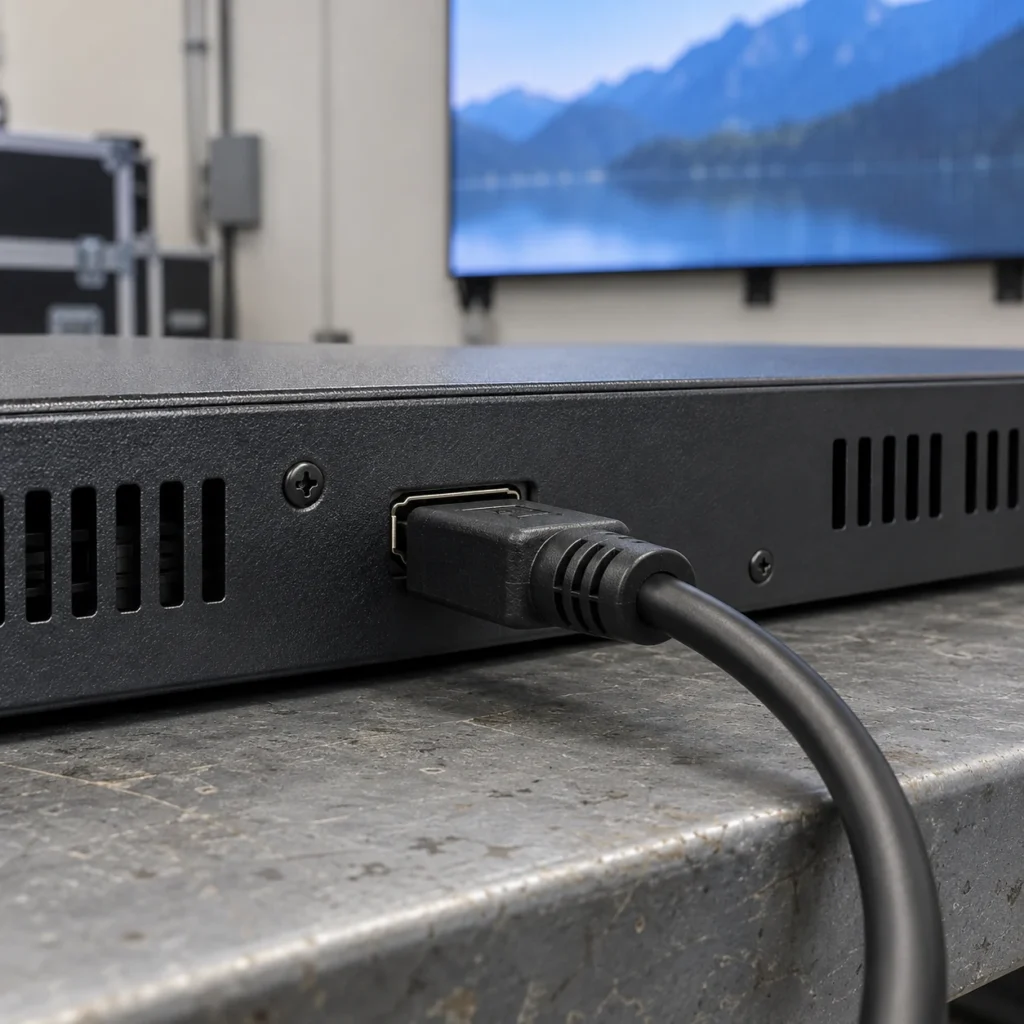
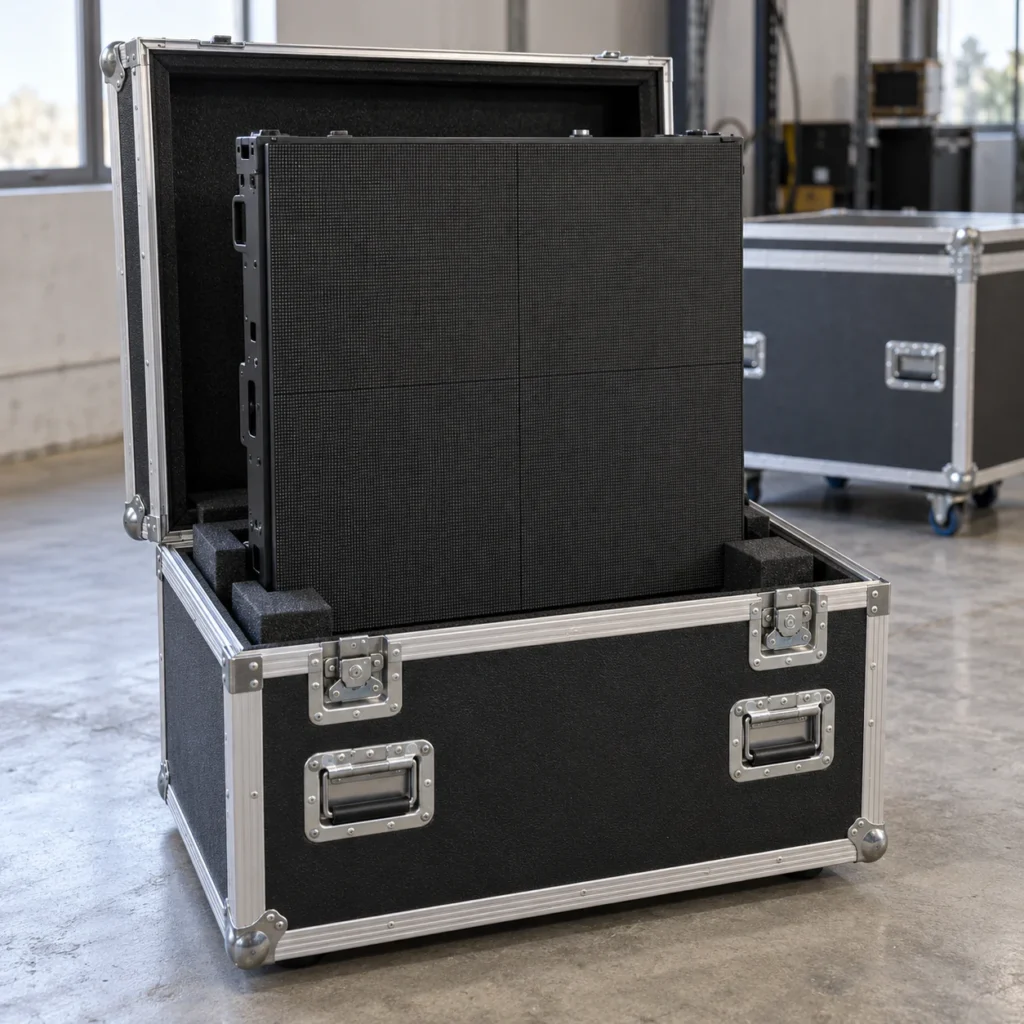
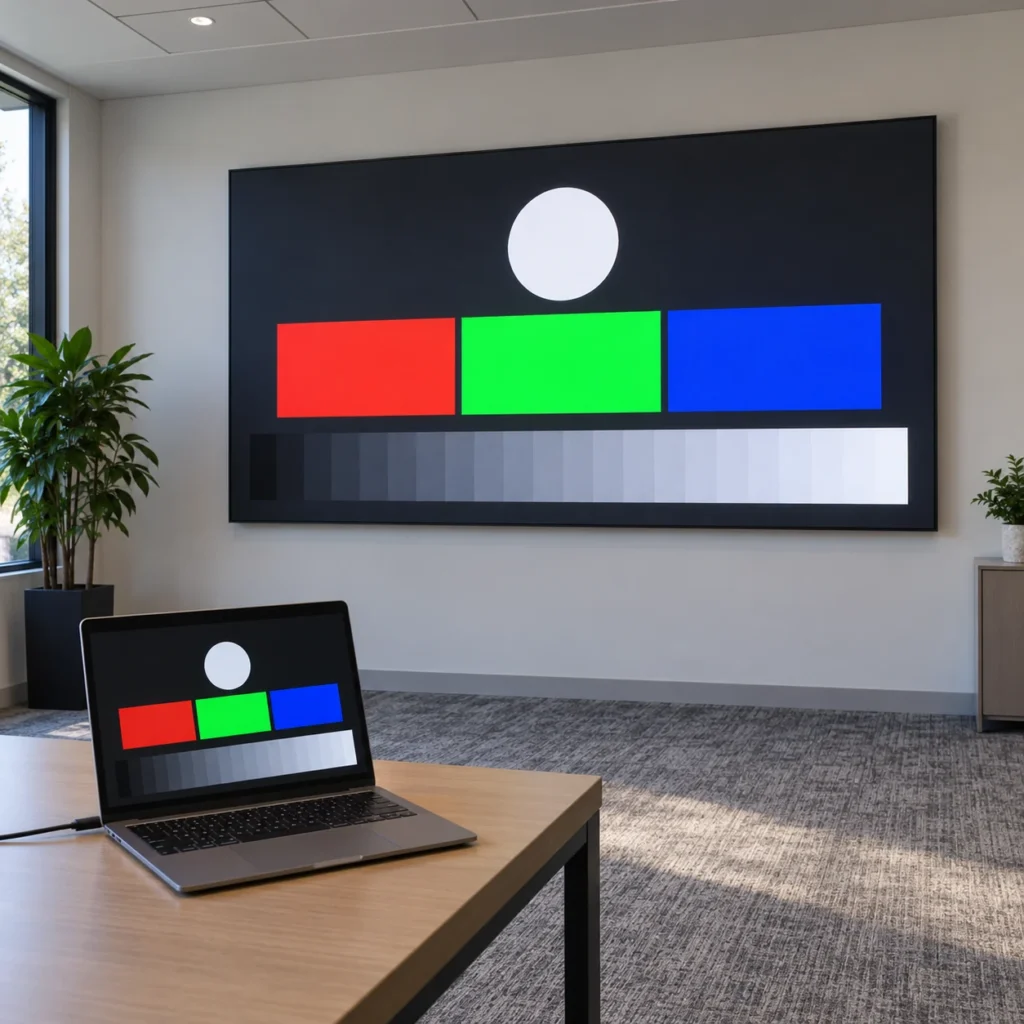
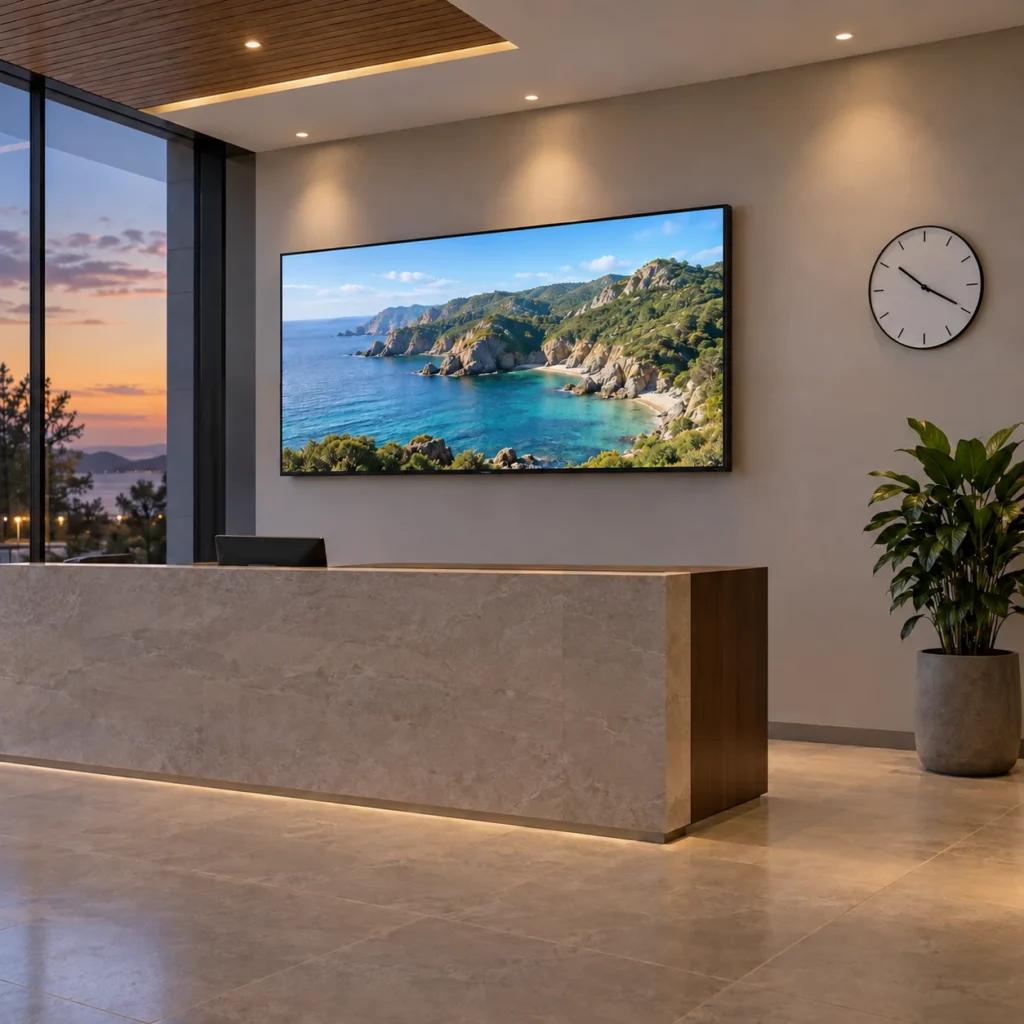
Build an LED display FAT around models, quantities, burn-in, patterns, color, mechanics, power, signal, redundancy, spares, packing, records, and exceptions.
Plan LED wall expansion around cabinet availability, pitch, batch matching, structure, power, processor capacity, aspect ratio, calibration, spares, and software.
Verify rental LED cabinet compatibility across sizes, locks, pitch, modules, color, power, data, rigging, stacking, software, spares, and mixed-wall tests.
Specify an interactive LED floor by design load, point load, surface friction, edge transitions, flatness, moisture, control, content, access, and inspection.
Compare transparent LED displays by transparency, pitch, brightness, structure, cable visibility, viewing direction, content, glass access, service, and safety.
Plan a retail window LED display around daylight, reflections, orientation, dimming, heat, storefront rules, content, operating hours, service, and energy.
Plan a school auditorium LED display from viewing, teaching content, cameras, accessibility, controls, safety, sound, service, energy, training, and safeguarding.
Plan stadium perimeter LED displays around sightlines, impact protection, brightness, camera use, segmentation, power, data, egress, spares, and event operations.
Specify a virtual-production LED wall through camera tests, pitch, scan, color, brightness, moiré, synchronization, processors, tracking, geometry, and workflow.
Request LED display EMC and safety records by destination market, model, power configuration, reports, labels, manuals, declarations, changes, and traceability.