Small pixel pitch LED displays place pixels closer together to fit more image detail into a given screen area. For a buyer, the useful question is how many native pixels fit on the available wall and whether the intended content is readable from the actual seats. This guide shows how to compare pitch, dimensions and resolution before requesting a configuration.
What does small pixel pitch mean?
Pixel pitch is the center-to-center distance between adjacent pixels, expressed in millimeters. Smaller pitch increases pixel density at the same physical size. The labels small pitch, fine pitch and ultra-fine pitch are used differently across product ranges, so compare the stated pitch and native pixel matrix rather than relying on the label alone.
Pitch does not specify touch capability, weather protection, brightness or the LED packaging method. A fine pitch display is not automatically a MicroLED display, and a 1.2 mm pitch is not sub-millimeter. The Planar pixel pitch explanation describes the relationship between pitch, density and viewing distance.
Calculate native resolution from the active area
For a rectangular display, a planning estimate is:
Horizontal pixels = active width in millimeters ÷ horizontal pitch.
Vertical pixels = active height in millimeters ÷ vertical pitch.
For a square pixel grid, estimated density in pixels per square meter is (1,000 ÷ pitch in millimeters)². Use the exact manufacturer dimensions for the final design: rounded pitch names and cabinet grids can make a preliminary estimate differ from the offered configuration.
On smaller screens, swipe horizontally to view all columns.
| Pitch used in calculation | Calculated native matrix | Approximate pixel density |
|---|---|---|
| 2.50 mm | 1,920 × 1,080 | 160,000 pixels/m² |
| 1.50 mm | 3,200 × 1,800 | 444,444 pixels/m² |
| 1.25 mm | 3,840 × 2,160 | 640,000 pixels/m² |
In this example, only the 1.25 mm calculation reaches a native 3,840 × 2,160 matrix. Accepting a 4K input signal is a separate capability: a controller may scale that input to a lower-resolution wall. Ask suppliers to state input support and native screen resolution separately when comparing the fine pitch LED screen product.
Choose pitch using the smallest important content
A presentation dominated by video and large headlines has different requirements from a control-room dashboard with small labels. Collect the actual content and identify the closest and farthest regular viewing positions. Include side seats, reflections and the planned operating brightness in the evaluation.
Distance-based rules are useful for an initial shortlist, but they do not replace a viewing test with your files. Compare candidate pitches at the proposed image size and from the planned seats. Check whether text is readable without changing the normal layout or increasing brightness to an uncomfortable level.
Use the sample evaluation guide to record the content, settings and viewing positions that passed. If people will write directly on the wall, also review the separate fine pitch LED touchscreen acceptance guide; pitch selection alone does not establish interactive performance.
Fit the cabinet grid and service space
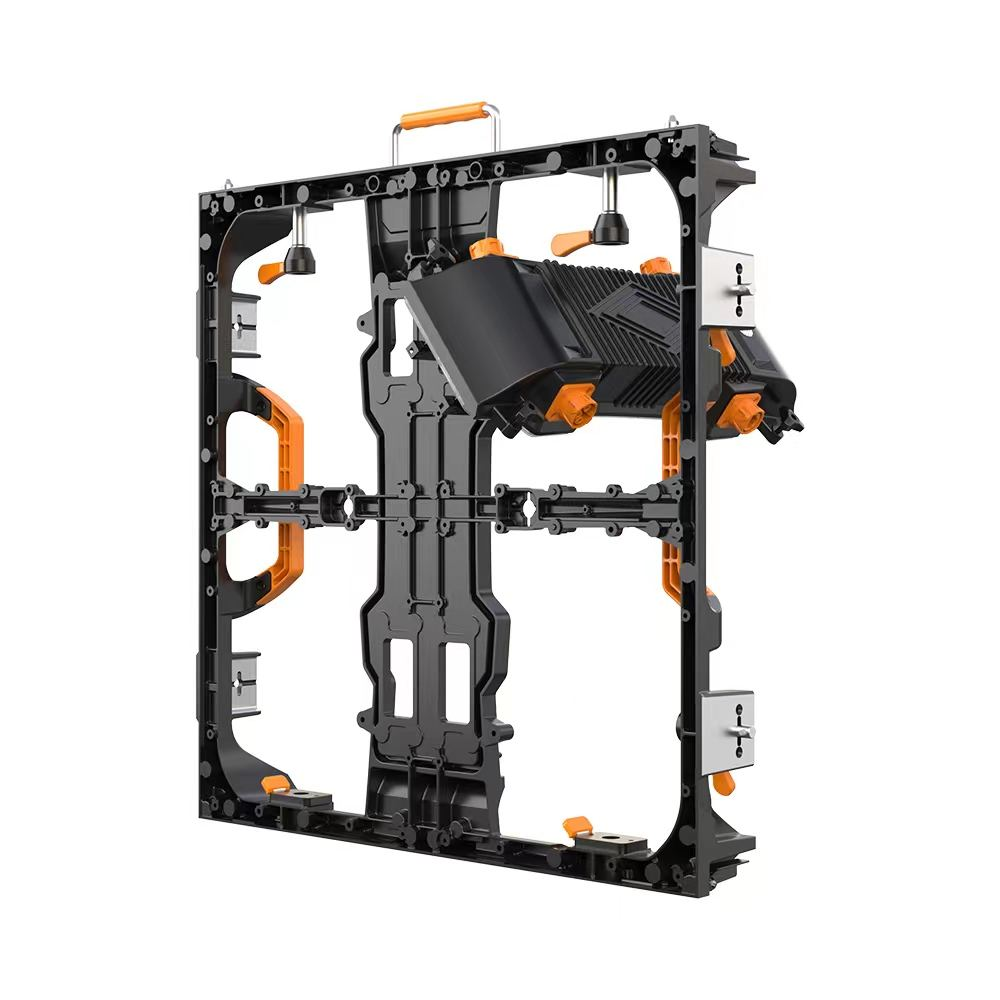
Confirm the proposed cabinet arrangement, exact active area, overall installed dimensions and structural requirements. A wall recess may fit the nominal image area while leaving insufficient room for the frame, ventilation or module removal. Ask for a dimensioned drawing before finalizing surrounding finishes.
Specify front or rear service access and have the supplier demonstrate the replacement procedure. Confirm the spare-module plan, calibration-data handover and method for matching a replacement to the installed wall. A generic component lifetime figure is not a warranty for the complete display system.
Compare performance beyond the pitch number
Inspect low-brightness image quality, uniformity across modules, dark gradients and small text. Compare systems under equivalent conditions rather than comparing their maximum brochure values. Check power and thermal requirements against the expected daily schedule and room conditions.
If the display will appear on camera, test the intended camera settings and content. A quoted refresh rate does not guarantee freedom from banding or moiré in every camera setup. Likewise, an indoor model should not be assumed to tolerate outdoor weather or direct sunlight; request the exact model’s documented environmental limits.
Request quotations on the same basis
Provide available wall dimensions, viewing positions, sample content, operating hours, service access and the required native resolution. Ask each supplier to identify the cabinet grid, controller, power scope, installation work, spares and acceptance tests. This makes it possible to compare a lower-cost pitch with a finer option without accidentally comparing different system scopes.
For a configuration review, send KSSdisplay your dimensions and sample content. Request the proposed native pixel matrix and a dimensioned cabinet layout alongside the quotation, then approve the visual result before placing the production order.