A taxi rooftop LED display has to remain readable outdoors while sharing a vehicle’s mounting space, electrical supply and maintenance schedule. For a fleet operator, the buying decision is therefore about the complete installation, not the brightest panel on a specification sheet. This guide explains how to compare taxi digital signage for exterior advertising and approve a pilot before ordering for an entire fleet.
Separate rooftop advertising from passenger screens
Taxi digital signage can mean a roof-mounted display seen from the street or an in-cabin screen viewed by passengers. These need different hardware and content. A rooftop LED screen needs a vehicle-specific mounting and power plan; an in-cabin information screen needs close-range text clarity, an appropriate viewing angle and a secure interior installation. Touch interaction belongs to an accessible passenger interface, not a rooftop advertising surface.
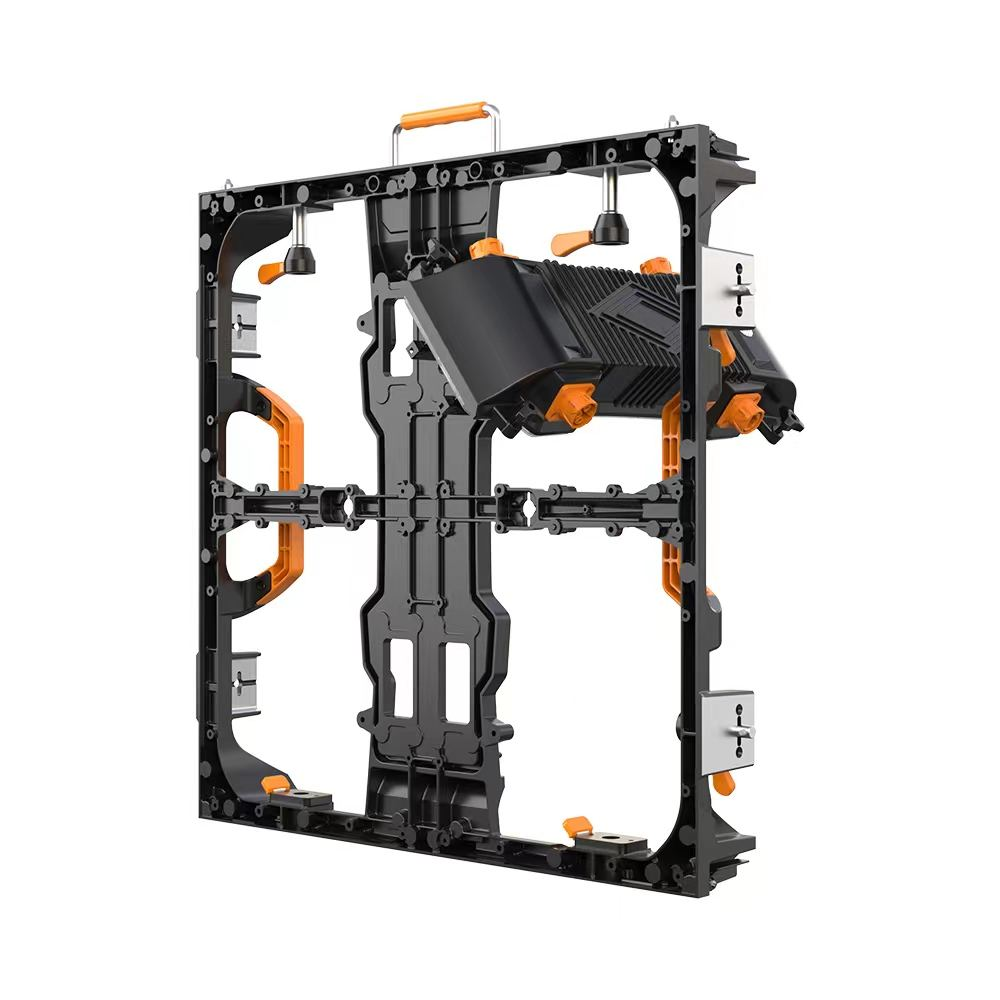
Use the taxi LED display range to establish the exterior hardware options. Ask for the proposed model’s drawing, weight, pixel matrix, input requirements and included controller before comparing quotations.
Check the roof, bracket and service route together
Start with the exact vehicle models, roof construction and existing roof equipment. The installer should confirm attachment points, total installed mass, clearances and cable routing. A display enclosure drawing alone does not establish whether a bracket is suitable for a particular vehicle. Have the installation assessed by the vehicle or mounting specialist, and confirm the applicable local advertising and vehicle requirements before ordering.
Plan how the assembly will be removed for repair without damaging the roof or trapping cables. Specify who checks fasteners and seals, where replacement parts are held, and whether one damaged face can be serviced separately. A weather rating for a module does not establish the protection of the complete enclosure, connectors and cable entries.
Approve readability in daylight and after dark
Request a demonstration with your own short advertising layout at the intended viewing positions. Large lettering, restrained content and sufficient contrast matter when viewers have only a brief opportunity to read. Confirm the actual pixel width and height for each face so the designer can create content at the correct aspect ratio.
Assess daylight readability and night-time dimming as separate acceptance conditions. A high maximum brightness figure does not describe the minimum comfortable setting, sensor behavior or local operating limits. The light sensor commissioning guide explains the brightness-control checks to discuss with the supplier. Agree what happens if the sensor is shaded, disconnected or reports an implausible value.
Size the electrical installation for the operating cycle
Ask the supplier and vehicle electrician to document the permitted input range, peak load, representative operating load, startup behavior and ignition-off behavior. Include the controller, modem and conversion losses in the power budget. A low average figure for a dark video should not be used as the maximum circuit load.
Describe how long vehicles idle, park with the display enabled and operate in hot conditions. Confirm the proposed isolation, protection and shutdown arrangement with the installer. Avoid assuming that a display can run indefinitely from the vehicle battery because its LEDs are described as efficient.
Test content delivery on a working route
A fleet needs a repeatable way to assign campaigns to vehicles, verify successful downloads and recover from lost connectivity. Ask the CMS provider to demonstrate local playback when mobile coverage is unavailable, schedule handling after restart and remote reporting of offline screens. Location-based playback, if required, should be demonstrated on the proposed controller and service plan.
Define who can upload, approve and publish content. Include account recovery and the process for removing access when an operator changes roles. Playback logs show that a file was played; they do not by themselves establish how many people saw it or whether advertising generated sales.
Use a pilot acceptance sheet before fleet rollout
On smaller screens, swipe horizontally to view all columns.
| Pilot check | Evidence to retain |
|---|---|
| Vehicle fit and service access | Approved installation drawing, clearance checks and removal procedure |
| Day and night content | Approved artwork, brightness settings and observations from intended viewing positions |
| Power and temperature | Measured operating conditions and the installer-approved electrical arrangement |
| Connectivity interruption | Local playback, reconnect and schedule recovery results |
| Fleet maintenance | Spare-parts list, service responsibilities and replacement process |
Adapt the LED display sample evaluation checklist to the fleet’s route, shift length and environment. Record the tested hardware and software versions so the production order matches the approved pilot.
What determines taxi digital signage cost?
Compare the installed system: display faces, mounting, power conversion, controller, connectivity, CMS fees, artwork preparation, installation and spare parts. Separate initial equipment costs from recurring data and software charges. Advertising revenue depends on routes, campaign sales and utilization; the display specification alone cannot support a promised revenue increase.
To discuss a configuration, send KSSdisplay your taxi signage brief with vehicle models, fleet quantity, installation city, usable roof dimensions, operating hours and the proposed advertising format. Request a quotation that identifies the hardware scope and the installation items to be confirmed by your local specialist.