Electronic signage for elevators can mean three different systems: an in-car information screen, a lobby advertising display or an elevator position and direction indicator. Establish which one you need before comparing screens. A compact passenger screen and a large lobby LED wall have different viewing distances, mounting requirements and integration responsibilities.
This guide helps building owners and integrators specify information and advertising displays. Changes involving elevator controls, required indicators or emergency communication need review by the elevator supplier and qualified installer.
Match the display technology to the location
On smaller screens, swipe horizontally to view all columns.
| Location and task | Display route to assess | Main selection question |
|---|---|---|
| Inside the car: notices, news and video | A suitably enclosed LCD or an elevator supplier’s integrated media screen | Can passengers read the content at close range without glare? |
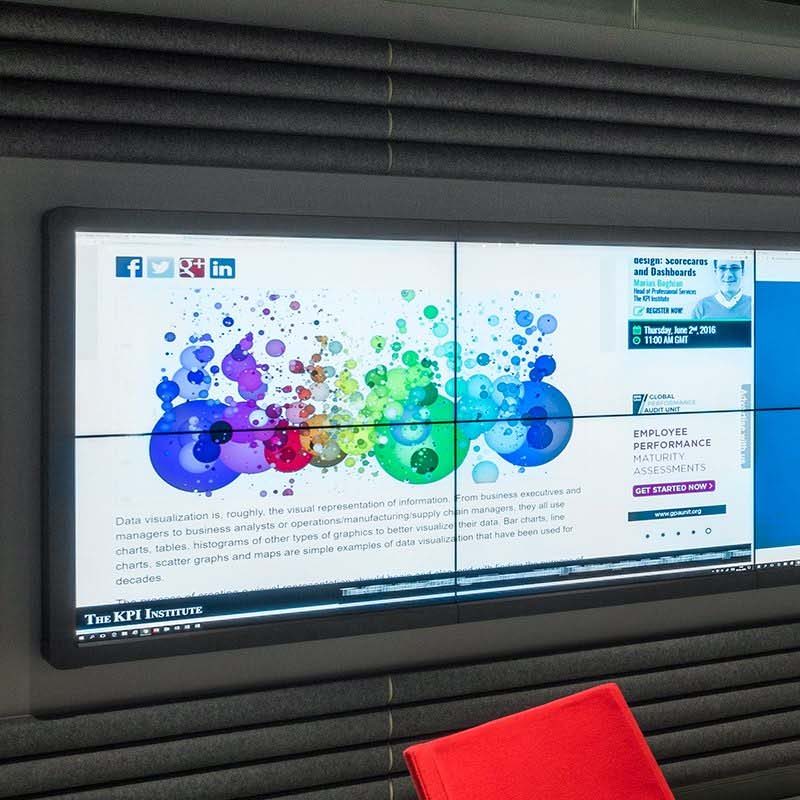
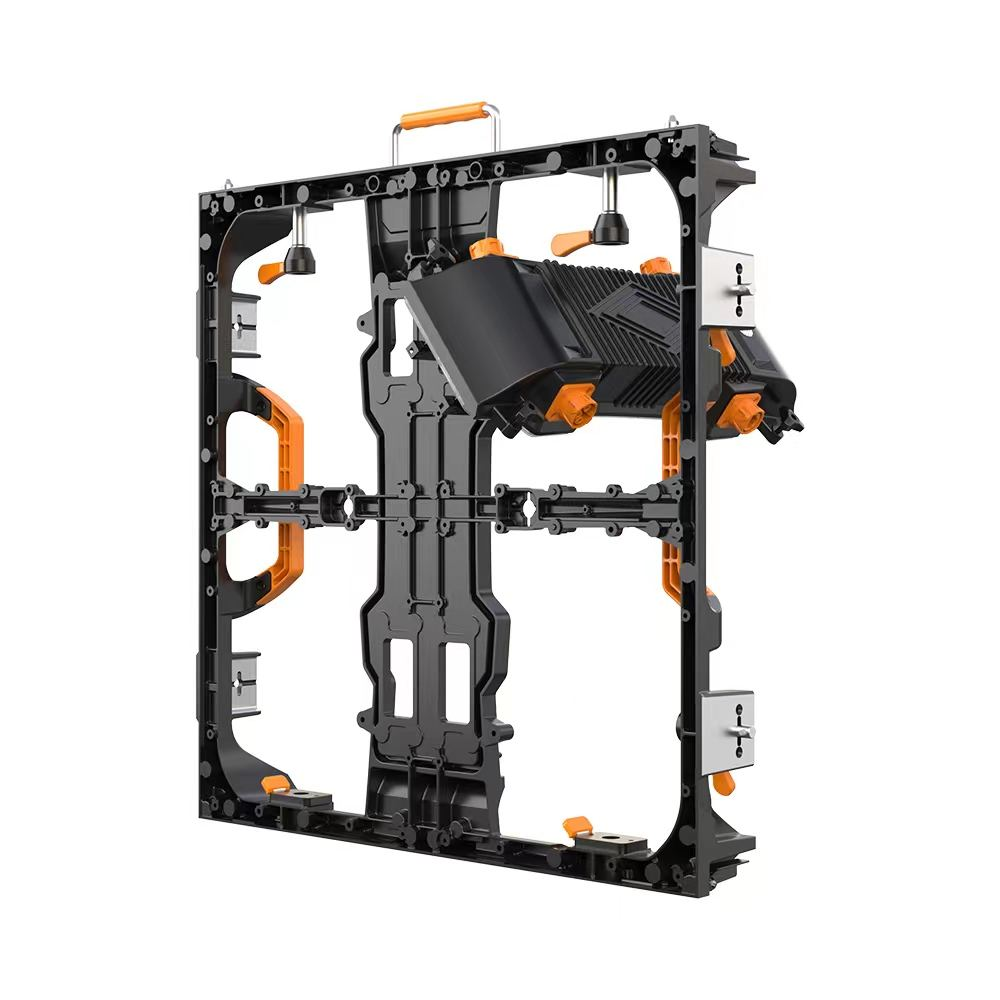
| Lobby: larger advertising or brand content | LCD for standard formats; direct-view LED where size and layout justify it | What image size and native resolution fit the viewing area? |
| Floor, direction and operating information | The elevator supplier’s compatible indicator or approved interface | Who supplies and verifies the elevator data connection? |
LCD is an established option for elevator information displays. The KONE InfoScreen product document, for example, specifies a TFT LCD display. This is a technology example, not evidence that an arbitrary screen is compatible with a particular lift.
Review the LCD display options for a compact screen brief. If the project is a larger lobby wall, use the small pixel pitch LED sizing guide to evaluate dimensions and resolution. Do not transfer outdoor billboard brightness requirements to an enclosed elevator car.
Measure the installation and the passenger view
Record the available wall area, permitted enclosure depth, mounting height, viewing positions and reflections from cabin lighting. Test a full-size layout with the smallest planned text. A high pixel count does not help if the design packs too many messages into a short journey.
Have the elevator installer review the proposed mass, fixings, cable routes, power source, ventilation and service access. The display must fit around the existing operating panel and other equipment. Agree how technicians can remove it during a planned service visit and how long that procedure takes.
The display site survey checklist can help organize the measurements; elevator-specific interfaces and approvals remain with the responsible lift professionals.
Separate scheduled content from elevator data
A signage player can show tenant notices or scheduled advertisements without knowing the elevator’s position. Floor and direction information require an approved data source and a compatible interface. Define the boundary between the media player, building network and elevator system in the proposal.
Do not assume a general-purpose advertising screen can replace a required indicator, alarm or emergency communication system. If a project requires coordinated priority messages, have the responsible elevator and building teams define the permitted interface, message priority, failure behavior and acceptance test.
Plan for interrupted connectivity
Connectivity inside a moving car should be checked on the actual installation. Ask the integrator to demonstrate playback while the network is unavailable, recovery when it returns and the handling of content that has expired. Choose whether an old schedule remains valid or a neutral fallback screen should appear.
For a multi-elevator building, confirm how screens are grouped and how operators know which units received an update. KONE’s information solutions overview distinguishes offline and remotely updated systems, illustrating why the update method needs to be specified at the start.
Design content for a short journey
Use a clear message hierarchy: one principal notice, concise supporting information and a layout readable from the expected passenger positions. Test the actual languages and character sizes. Keep essential building information available without requiring someone to wait through a long advertising sequence.
Agree who approves notices, who can publish them, when they expire and how changes are recorded. Audience analytics or interactive features should be assessed only where they serve a defined project requirement; they are not prerequisites for useful elevator signage.
Accept the installed system before handover
Check text readability, reflected glare, enclosure fit, service access, startup, scheduled updates and recovery from loss of connectivity. Where an approved elevator-data interface is included, the lift specialist should verify its behavior. Retain the approved layout, hardware identification, interface drawing and maintenance instructions with the building’s handover documents.
Compare the full scope in quotations: screen, enclosure, player, network provision, CMS subscription, installation, permitted interfaces and service. A higher brightness specification does not by itself justify a higher price in an enclosed car.
For display selection, send KSSdisplay your elevator signage requirements, including car or lobby location, usable dimensions, viewing distance, sample content and the lift installer’s constraints. Ask for a clearly defined display scope before committing to integration work.