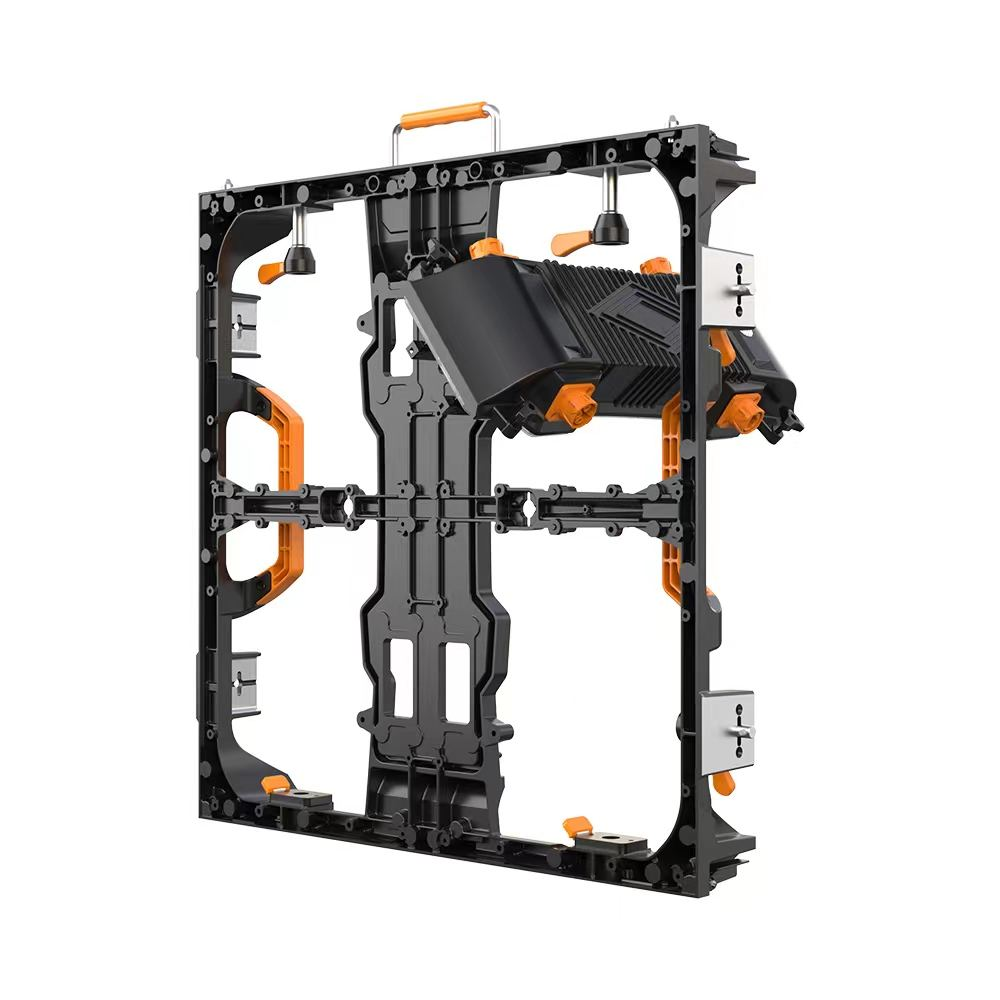
A virtual-production wall is part of an imaging system, not a large background television. Camera, lens, tracking, render, processor, LED scan, color, geometry, and lighting choices interact. Approve the system against planned shots and production workflows using the actual camera chain whenever possible. This guide turns that decision into an RFQ and acceptance workflow so procurement, engineering, operations, and suppliers can work from the same assumptions.
Set the acceptance outcome first
Approve the system against planned shots and production workflows using the actual camera chain whenever possible. Write the required outcome in plain language, then identify the teams affected when it is not achieved. This prevents a product feature from becoming an assumed project result. Separate mandatory requirements from preferences and future options, because each category changes price, schedule, and acceptance differently.
Before requesting bids, decide which values are design inputs, which are supplier declarations, and which must be measured. Drawings and schedules should carry revision dates. When an assumption changes, update the cabinet matrix, power and signal design, structure, content workflow, and commercial scope together.
Record the conditions the system must handle
Use a short input schedule rather than distributing important facts across emails and meeting notes. At minimum, collect the following items and give each one an owner:
- camera bodies sensors lenses: document the value, source, owner, and any remaining uncertainty before the quotation is treated as final.
- frame rates shutter and: document the value, source, owner, and any remaining uncertainty before the quotation is treated as final.
- wall geometry pitch and: document the value, source, owner, and any remaining uncertainty before the quotation is treated as final.
- render resolution and tracking: document the value, source, owner, and any remaining uncertainty before the quotation is treated as final.
- brightness color and lighting: document the value, source, owner, and any remaining uncertainty before the quotation is treated as final.
- stage access and panel-replacement: document the value, source, owner, and any remaining uncertainty before the quotation is treated as final.
Unknown values do not have to stop the project, but they should be visible. Mark them as allowances, required surveys, sample tests, or decisions due by a named date. That makes the cost of uncertainty easier to manage.
Ask for configuration-specific evidence
Ask every bidder to answer the same fields line by line. A response such as “complies” is not enough when models, test conditions, accessories, or local responsibilities can change the result.
On smaller screens, swipe horizontally to view all columns.
| Comparison field | What a useful supplier response should show |
|---|---|
| Moire boundaries by lens and distance | Ask for the quoted model, configuration, method, and evidence. Record exceptions in the comparison matrix instead of relying on a general compliance statement and confirm how the result will be checked. |
| Banding across approved camera settings | Ask for the quoted model, configuration, method, and evidence. Record exceptions in the comparison matrix instead of relying on a general compliance statement. |
| Color pipeline and reference targets | Ask for the quoted model, configuration, method, and evidence. Record exceptions in the comparison matrix instead of relying on a general compliance statement and confirm how the result will be checked. |
| Latency and synchronization | Ask for the quoted model, configuration, method, and evidence. Record exceptions in the comparison matrix instead of relying on a general compliance statement. |
| Corner and ceiling geometry | Ask for the quoted model, configuration, method, and evidence. Record exceptions in the comparison matrix instead of relying on a general compliance statement and confirm how the result will be checked. |
| Repeatable calibration and startup | Ask for the quoted model, configuration, method, and evidence. Record exceptions in the comparison matrix instead of relying on a general compliance statement. |
Keep alternates separate from the base offer. If a bidder proposes a different method, require a clear explanation of the benefit, limitation, price effect, schedule effect, and acceptance method. This preserves useful innovation without losing comparability.
Requirements vary by installation, destination, and operating environment. Ask the project’s qualified structural, electrical, safety, and compliance professionals to identify the applicable rules; the display quotation should supply the product data they need without claiming to replace their design.
Test the real workflow
Acceptance should use the quoted equipment, the approved configuration, and realistic operating conditions. Define the test content, instruments, witness roles, evidence, and retest process before the factory or site visit.
- Shoot representative wide medium and close scenes. Agree who witnesses the step, what evidence is saved, and what happens when the result is outside the approved range.
- Test camera moves and focus pulls. Agree who witnesses the step, what evidence is saved, and what happens when the result is outside the approved range.
- Record neutral skin-tone and saturated content. Agree who witnesses the step, what evidence is saved, and what happens when the result is outside the approved range.
- Simulate panel replacement and recalibration. Agree who witnesses the step, what evidence is saved, and what happens when the result is outside the approved range.
- Save a validated production preset. Agree who witnesses the step, what evidence is saved, and what happens when the result is outside the approved range.
Save photographs, measurements, configuration files, serial or model references, and signed exception records in the project handover package. A test result is most useful when a future technician can understand exactly how it was obtained.
Risks that deserve an exception
- Approval from the eye only. Treat this as an open commercial and technical risk until the supplier gives a model-specific answer.
- Demo using a different camera or pitch. Treat this as an open commercial and technical risk until the supplier gives a model-specific answer.
- Refresh-rate headline without scan configuration. Treat this as an open commercial and technical risk until the supplier gives a model-specific answer.
- Tracking and processor latency tested separately. Treat this as an open commercial and technical risk until the supplier gives a model-specific answer.
- No plan for daily calibration. Treat this as an open commercial and technical risk until the supplier gives a model-specific answer.
One warning sign does not automatically disqualify a proposal. It signals that the buyer needs a specific answer, a priced allowance, a witnessed sample, or a contract boundary. The goal is to make uncertainty explicit before equipment is built or shipped.
Close the loop at handover
Use the virtual studio solutions and fine-pitch LED screens pages to frame the application, then issue a return schedule containing the verified inputs, required models and quantities, responsibility matrix, tests, documentation, spares, training, warranty, delivery terms, and exception form.
At handover, reconcile the approved schedule with the installed equipment and configuration. Close every exception or transfer it to a named owner with a date and commercial status. Store final drawings, software backups, test records, spare inventory, and support contacts where the operating team can retrieve them.
For a project-specific proposal, contact KSSdisplay with the site dimensions, use case, operating conditions, source formats, schedule, and the input items listed above. Those details allow the supplier to return a buildable configuration instead of a generic cabinet price.