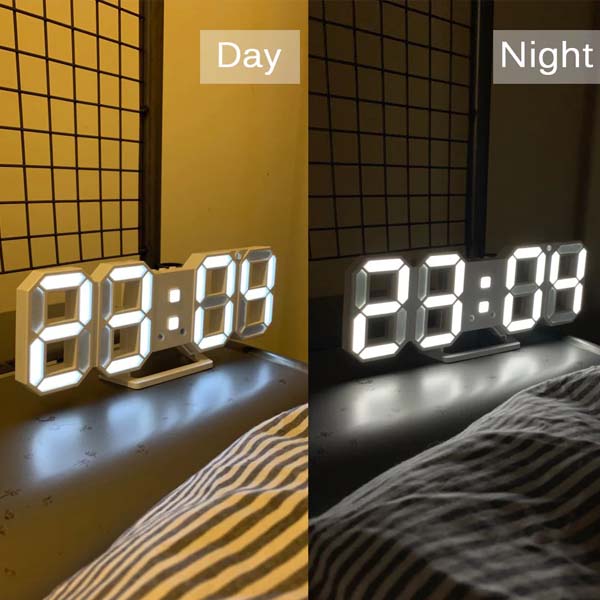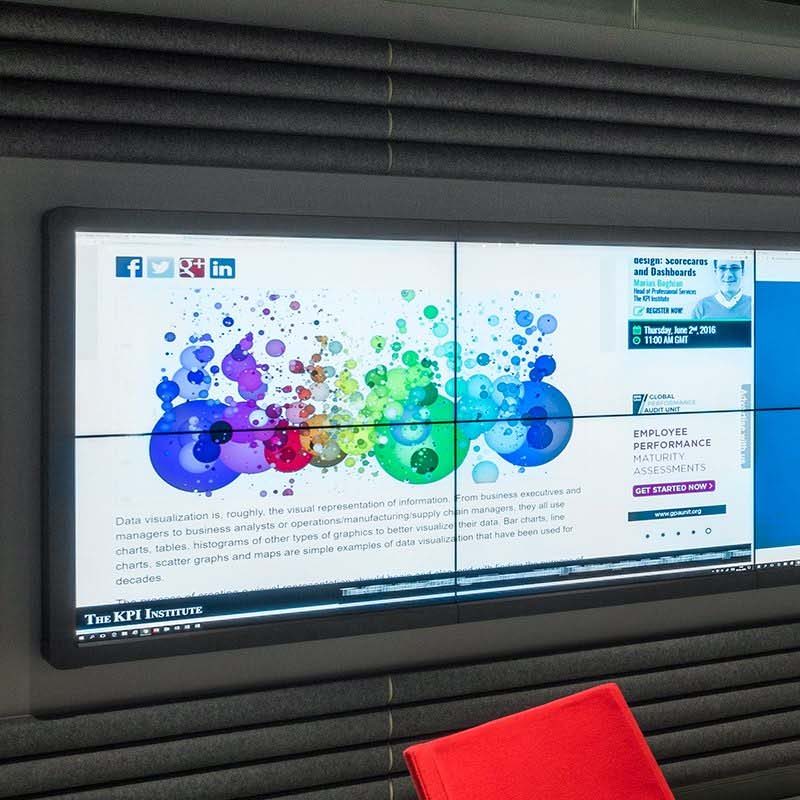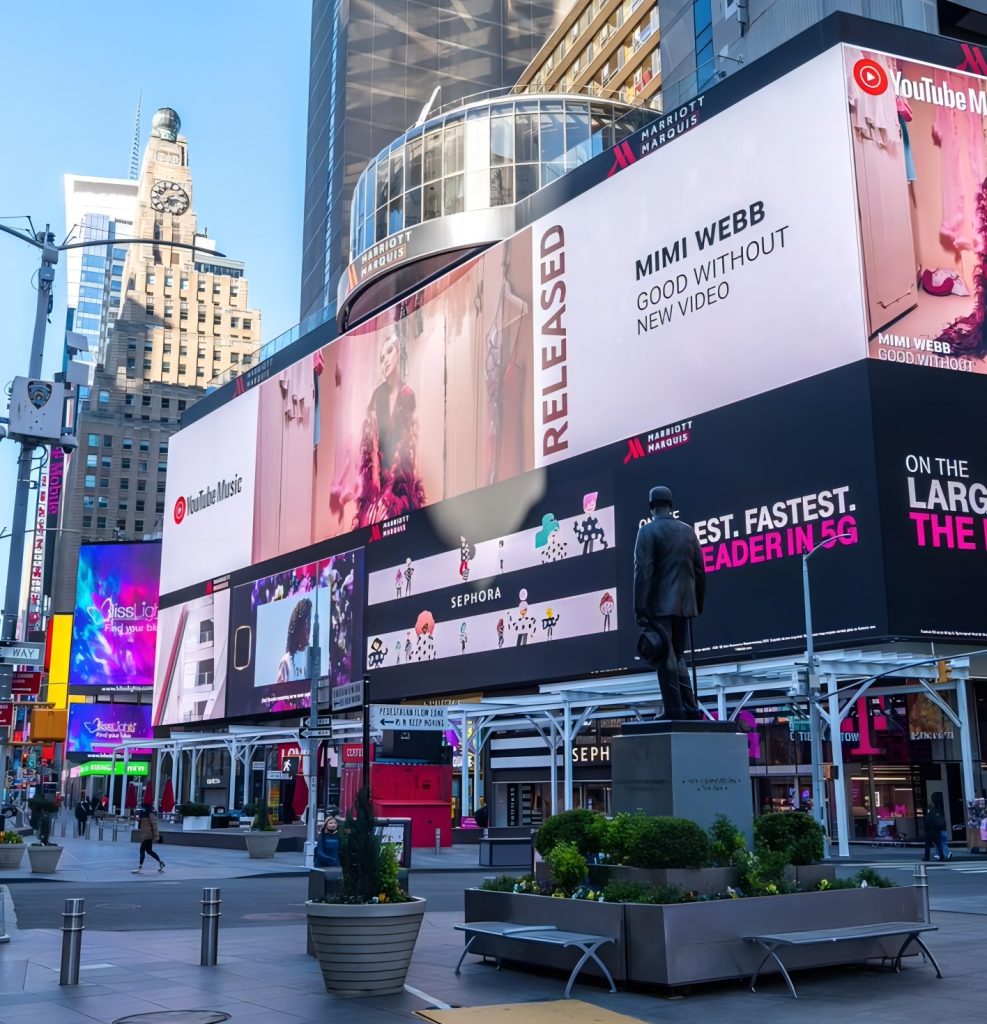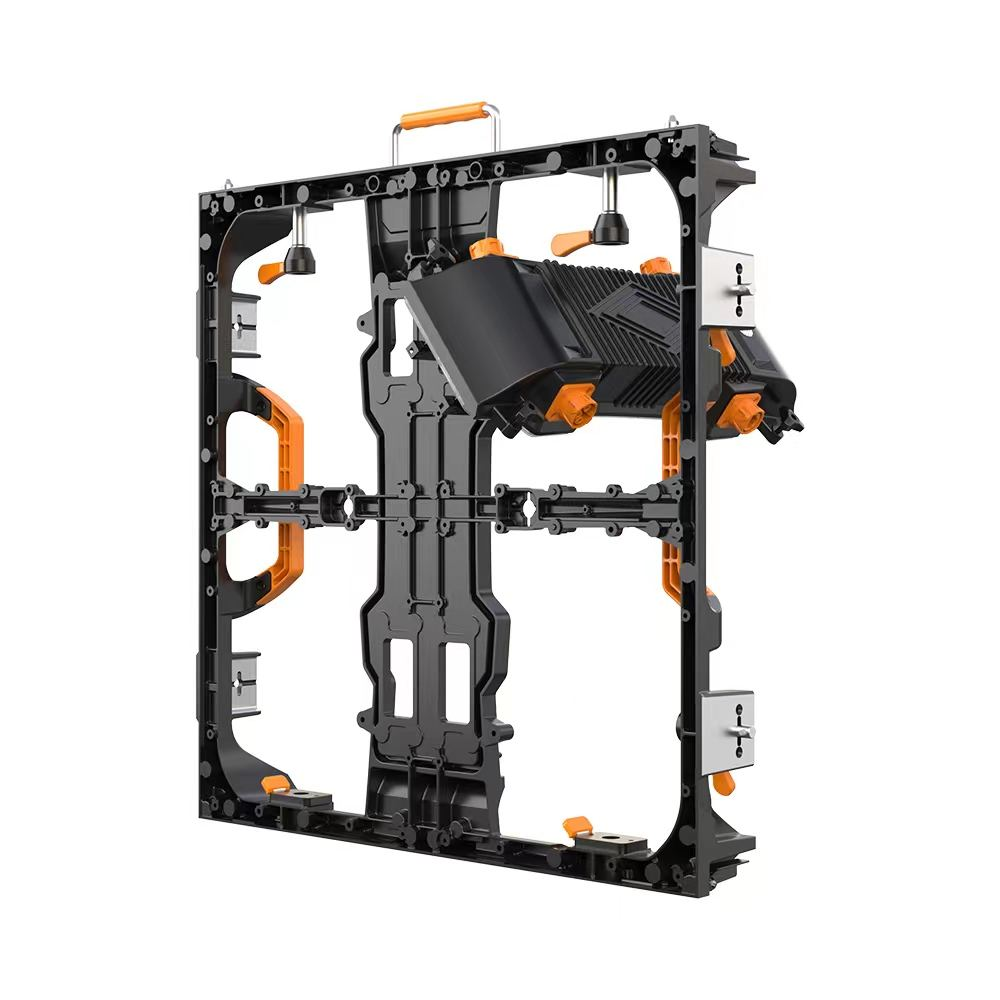
A brightness figure in a quotation is not a complete visibility specification. Buyers can overpay for output they never use, or approve a screen that looks weak at the most demanding hour of the day. The buyer must define a usable brightness range and an acceptance method that reflect the actual location, rather than comparing only the highest advertised nit value. This guide turns that decision into an RFQ and acceptance workflow so procurement, engineering, operations, and suppliers can work from the same assumptions.
Define the operating case before comparing products
The buyer must define a usable brightness range and an acceptance method that reflect the actual location, rather than comparing only the highest advertised nit value. Write the required outcome in plain language, then identify the teams affected when it is not achieved. This prevents a product feature from becoming an assumed project result. Separate mandatory requirements from preferences and future options, because each category changes price, schedule, and acceptance differently.
Before requesting bids, decide which values are design inputs, which are supplier declarations, and which must be measured. Drawings and schedules should carry revision dates. When an assumption changes, update the cabinet matrix, power and signal design, structure, content workflow, and commercial scope together.
Collect project inputs that change the answer
Use a short input schedule rather than distributing important facts across emails and meeting notes. At minimum, collect the following items and give each one an owner:
- ambient illuminance at representative: document the value, source, owner, and any remaining uncertainty before the quotation is treated as final.
- screen orientation and direct-sun: document the value, source, owner, and any remaining uncertainty before the quotation is treated as final.
- indoor or outdoor viewing: document the value, source, owner, and any remaining uncertainty before the quotation is treated as final.
- content type and typical: document the value, source, owner, and any remaining uncertainty before the quotation is treated as final.
- required operating hours and: document the value, source, owner, and any remaining uncertainty before the quotation is treated as final.
- automatic and manual dimming: document the value, source, owner, and any remaining uncertainty before the quotation is treated as final.
Unknown values do not have to stop the project, but they should be visible. Mark them as allowances, required surveys, sample tests, or decisions due by a named date. That makes the cost of uncertainty easier to manage.
Normalize supplier responses
Ask every bidder to answer the same fields line by line. A response such as “complies” is not enough when models, test conditions, accessories, or local responsibilities can change the result.
On smaller screens, swipe horizontally to view all columns.
| Comparison field | What a useful supplier response should show |
|---|---|
| Maximum output with measurement conditions stated | Ask for the quoted model, configuration, method, and evidence. Record exceptions in the comparison matrix instead of relying on a general compliance statement and confirm how the result will be checked. |
| Minimum stable output without color shift | Ask for the quoted model, configuration, method, and evidence. Record exceptions in the comparison matrix instead of relying on a general compliance statement. |
| Brightness uniformity across modules | Ask for the quoted model, configuration, method, and evidence. Record exceptions in the comparison matrix instead of relying on a general compliance statement and confirm how the result will be checked. |
| Calibration behavior at normal operating level | Ask for the quoted model, configuration, method, and evidence. Record exceptions in the comparison matrix instead of relying on a general compliance statement. |
| Control permissions and saved presets | Ask for the quoted model, configuration, method, and evidence. Record exceptions in the comparison matrix instead of relying on a general compliance statement and confirm how the result will be checked. |
| Thermal and power impact at high output | Ask for the quoted model, configuration, method, and evidence. Record exceptions in the comparison matrix instead of relying on a general compliance statement. |
Keep alternates separate from the base offer. If a bidder proposes a different method, require a clear explanation of the benefit, limitation, price effect, schedule effect, and acceptance method. This preserves useful innovation without losing comparability.
Where standards, market-access rules, structural criteria, or safety requirements apply, the project team should use qualified advisers for the destination and current project. The AVIXA image-system contrast resources is a useful primary reference, but its scope should be checked before it is written into a purchase order.
Turn the specification into witnessed tests
Acceptance should use the quoted equipment, the approved configuration, and realistic operating conditions. Define the test content, instruments, witness roles, evidence, and retest process before the factory or site visit.
- Measure ambient light before the display is installed. Agree who witnesses the step, what evidence is saved, and what happens when the result is outside the approved range.
- Review real content at morning midday and evening conditions. Agree who witnesses the step, what evidence is saved, and what happens when the result is outside the approved range.
- Verify dimming presets with authorized operators. Agree who witnesses the step, what evidence is saved, and what happens when the result is outside the approved range.
- Check uniformity using full-field gray and white patterns. Agree who witnesses the step, what evidence is saved, and what happens when the result is outside the approved range.
- Record meter model distance angle and test pattern. Agree who witnesses the step, what evidence is saved, and what happens when the result is outside the approved range.
Save photographs, measurements, configuration files, serial or model references, and signed exception records in the project handover package. A test result is most useful when a future technician can understand exactly how it was obtained.
Warning signs in quotations
- One peak value without test conditions. Treat this as an open commercial and technical risk until the supplier gives a model-specific answer.
- No low-brightness demonstration. Treat this as an open commercial and technical risk until the supplier gives a model-specific answer.
- Demo content designed only for saturated highlights. Treat this as an open commercial and technical risk until the supplier gives a model-specific answer.
- Automatic brightness controls with no override plan. Treat this as an open commercial and technical risk until the supplier gives a model-specific answer.
- Acceptance based only on visual opinion. Treat this as an open commercial and technical risk until the supplier gives a model-specific answer.
One warning sign does not automatically disqualify a proposal. It signals that the buyer needs a specific answer, a priced allowance, a witnessed sample, or a contract boundary. The goal is to make uncertainty explicit before equipment is built or shipped.
Build the requirements into the purchase order
Use the commercial LED display solutions and outdoor LED display products pages to frame the application, then issue a return schedule containing the verified inputs, required models and quantities, responsibility matrix, tests, documentation, spares, training, warranty, delivery terms, and exception form.
At handover, reconcile the approved schedule with the installed equipment and configuration. Close every exception or transfer it to a named owner with a date and commercial status. Store final drawings, software backups, test records, spare inventory, and support contacts where the operating team can retrieve them.
For a project-specific proposal, contact KSSdisplay with the site dimensions, use case, operating conditions, source formats, schedule, and the input items listed above. Those details allow the supplier to return a buildable configuration instead of a generic cabinet price.